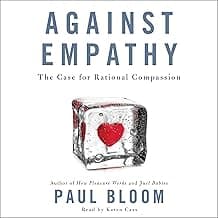
Against Empathy: The Case for Rational Compassion
by Paul Bloom
Mentioned once across 1 show · first heard May 2026 on Hidden Brain.
The general take
Shankar Vedantam explains that Paul Bloom's argument in Against Empathy centers on a counterintuitive critique: empathy is actually parochial and biased rather than the neutral force people assume it is. According to Vedantam, Bloom's claim is that asking people to be empathic can paradoxically invite them to be prejudiced.
About
A controversial call to arms, Against Empathy argues that the natural impulse to share the feelings of others can lead to immoral choices in both public policy and in our intimate relationships with friends and family. Most people, including many policy makers, activists, scientists, and philosophers, have encouraged us to be more empathetic—to feel the pain and pleasure of others. Yale researcher and author Paul Bloom argues that this is a mistake. Far from leading us to improve the lives of others, empathy is a capricious and irrational emotion that appeals to our narrow prejudices. It muddles our judgment and often leads to cruelty. We are at our best when we are smart enough not to rely on it, and draw upon a more distanced compassion.
Who said what

Shankar Vedantam💬 Mentioned
…discussing psychological research on limitations and biases in empathy
“The psychologist Paul Bloom who wrote the book Against Empathy the case for rational compassion he argues that empathy tends to be parochial and it tends to be biased and that's why when we ask people to be empathic we're really inviting them to be prejudiced”
Hidden Brain — The Empathy Gymat 23:01
Listener reviews
Bought Against Empathy: The Case for Rational Compassion after hearing about it? Tell everyone how it went.
