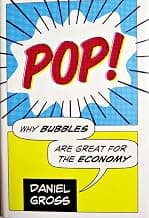
Pop: Why Bubbles Are Great for the Economy
by Dan Ariely
Mentioned once across 1 show · first heard Jun 2026 on My First Million.
The general take
Barry Ritholtz recommends the book Pop and uses it to defend the dot-com bubble, arguing that even failed investments like excessive fiber optic infrastructure provided real economic value. He frames bubbles as having genuine benefits rather than being purely destructive, pointing to the billions in infrastructure that got built during the boom.
About
Bubbles—from hot stocks in the 1920s to hot stocks in the 1990s—are much-lamented features of contemporary economic life. Time and again, American investors, seduced by the lures of quick money, new technologies, and excessive optimism, have shown a tendency to get carried away. Time and again, they have appeared foolish when the bubble burst. The history of finance is filled with tragic tales of shattered dreams, bankruptcies, and bitter recriminations. But what if the I-told-you-so lectures about bubbles tell only half the story? What if bubbles accomplish something that can only be seen in retrospect? What if the frenzy of irrational economic enthusiasm lays the groundwork for sober-minded opportunities, growth, and innovation? Could it be that bubbles wind up being a competitive advantage for the bubble-prone U.S. economy?
Who said what

Barry Ritholtz👍 Recommends
…discussing how technology bubbles lead to productive infrastructure investment
“There's a great book called Pop. Why Bubbles are Great for the Economy. And think about the dot com era. Think about all of the fiber that was laid, global crossing and metromedia fiber and hundreds and hundreds of millions of dollars, billions of dollars in fiber laid.”
My First Million — Brutally honest guide to not losing money in the marketat 51:03
Listener reviews
Bought Pop: Why Bubbles Are Great for the Economy after hearing about it? Tell everyone how it went.